




























Long stays in covered and basement bays
Alarms, trackers and keyless entry draw a little current around the clock. A car left parked while its owner travels can drain a tired battery in days.
DIFC · Mobile car battery replacement
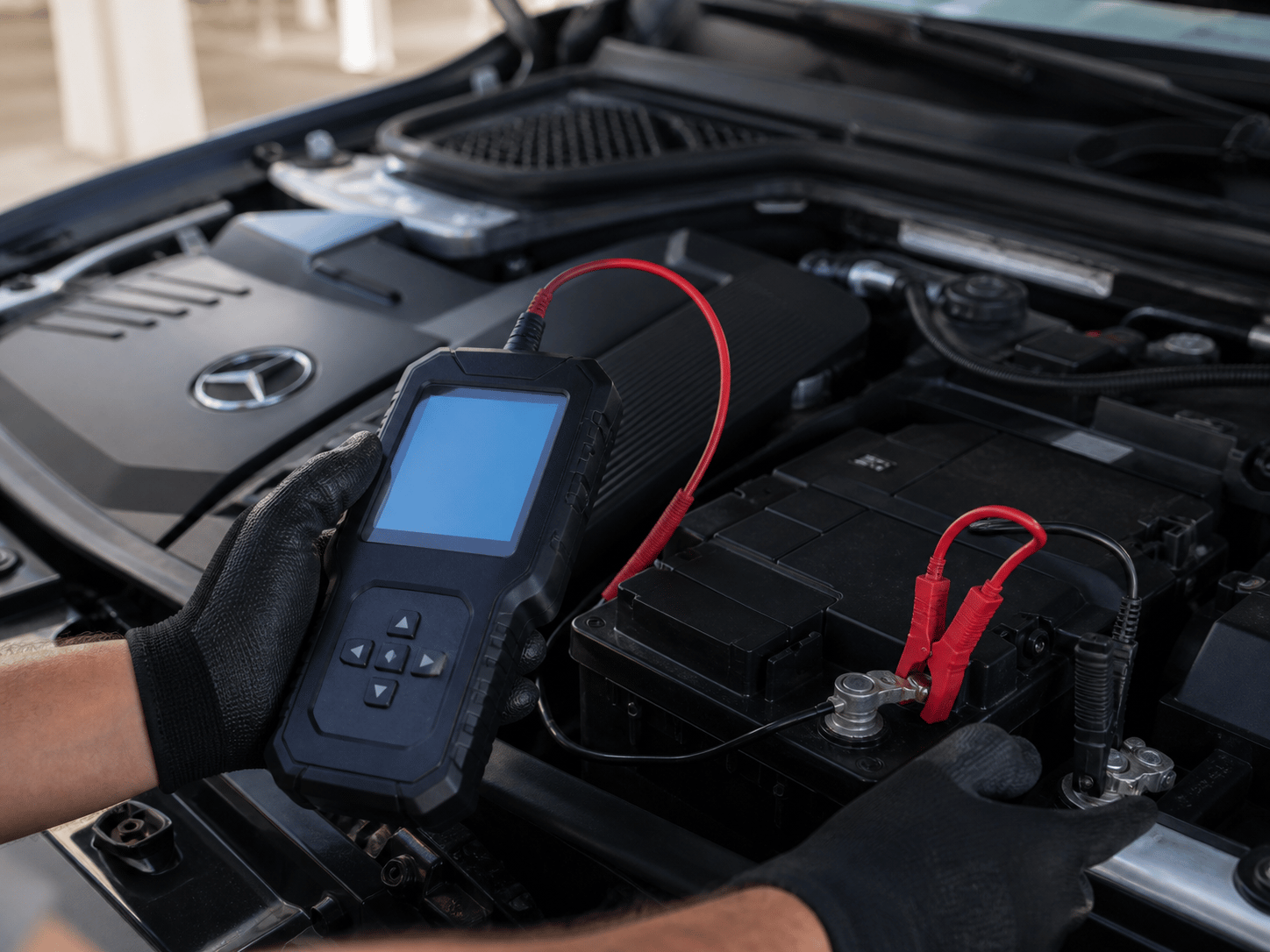
For a car that has lost charge while parked at Limestone House, we start with the battery history and recent use. The visit can then focus on testing, starting assistance or a compatible replacement.
For a car that has lost charge while parked at Limestone House, we start with the battery history and recent use. The visit can then focus on testing, starting assistance or a compatible replacement.
Check the battery · Confirm the price · Fit and test



Provide the residential parking entrance and bay details. Confirm building access in advance, particularly when arranging work while you are upstairs.
DIFC internal access roads
Arrival estimates depend on traffic, technician availability and access to the parked car. Ask for the current estimate when arranging your visit.
Cars around Limestone House spend long hours parked, then make short trips with the air conditioning on. Add Dubai summers, and a battery often wears out sooner than drivers expect.
Alarms, trackers and keyless entry draw a little current around the clock. A car left parked while its owner travels can drain a tired battery in days.
Heat speeds up the chemical wear inside a battery, even when the car is not being driven. An open bay in direct sun adds to it.
Running the air conditioning hard in slow traffic on DIFC internal access roads keeps the electrical system busy, so the battery rarely gets a full recharge.
A battery a few summers old can still start the car and be close to failing. A test shows where it stands before it leaves you stuck.
Testing comes first. If the battery is still healthy we tell you, and a replacement is suggested only when the result supports it.
Wherever the car is parked, the visit follows the same order: test the battery, fit a replacement if it is needed and agreed, then check that the car starts and charges.
Staff and visitor car parks. Agree who will meet the technician and approve the work, then carry on with your day while the battery is checked.
Resident basements and podium levels. Send the tower, level and bay number, and tell building security that a service visit is expected.
The valet desk knows where the car is and holds the key. Let the desk know about the visit so the technician can be taken to the car.
Keep your parking ticket and note the zone and nearest vehicle entrance. A bay number is what brings the technician to the right car.
A battery is recharged by driving. The routes you use every day decide how much charge it gets back.
| Road | What it does to the battery |
|---|---|
| DIFC internal access roads | Ramps, barriers and basement lanes are driven at walking pace. A start-stop car may restart several times before it reaches the street. |
If the engine turns over slowly after a short trip, the battery is not getting enough charge back. That is the moment to have it tested.
A flat battery rarely happens somewhere convenient. These are the situations drivers describe most often, and what to send us in each.
The car sat for a few hours and now only clicks. Send the level and bay number. The technician tests the battery first, then a jump-start or replacement follows from the result.
Back from travel to a car that has been parked for weeks. Sometimes a recharge is enough and sometimes the battery has reached the end of its life. Testing tells the two apart.
The light can point to the battery or to the charging system. If it is safe, park the car and send its location so both can be checked before any part is replaced.
Ask the desk for the parking level and who can give access. Pass both to us with the car model, and agree with the desk how the technician reaches the car.
Each of these is carried out at the parked car in Limestone House, subject to access.
If your situation is different, tell us what happened when you last tried to start the car.
Yes, wherever the car park or building allows a service visit. Provide the residential parking entrance and bay details. Confirm building access in advance, particularly when arranging work while you are upstairs.
Typical arrival within DIFC, including Limestone House, is 25 to 40 minutes. The estimate for your request depends on traffic, technician availability and building access, and is confirmed before dispatch.
Useful reference points are Limestone House, The Ritz-Carlton DIFC. Technicians usually approach via DIFC internal access roads. Add the vehicle entrance, parking level and bay number so the directions end at your car.
Your car model, parking level and a location pin help us bring the right equipment. We confirm the price and arrival estimate before dispatch.